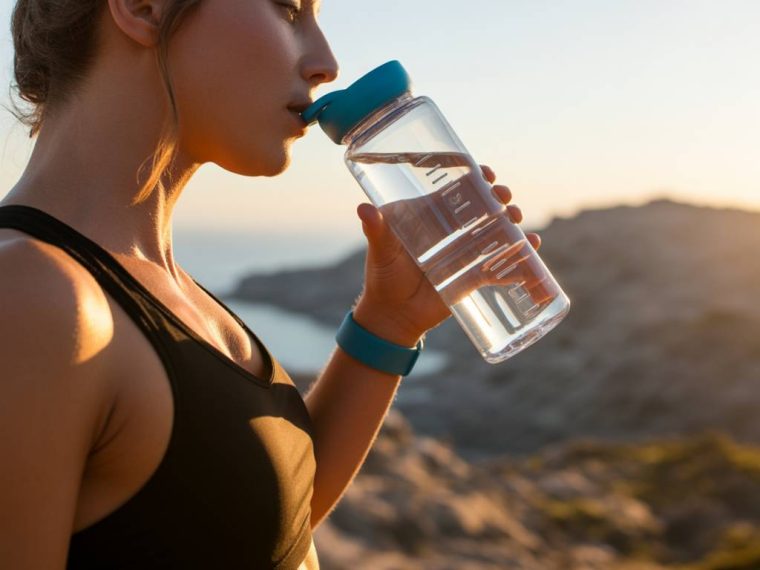
Wearable Hydration Tech and Smart Devices: A New Era of Personalized Water Intake
Wearable hydration tech is quietly reshaping how we drink water every day. What started as simple reminders on fitness apps has evolved into sophisticated smart devices that track, analyze, and personalize water intake in real time. For health-conscious consumers, athletes, and people managing specific medical conditions, personalized hydration is no longer a luxury. It is becoming an essential part of a data-driven wellness routine.
From smart water bottles and hydration tracking watches to skin sensors and integrated fitness platforms, hydration technology is advancing fast. These tools do more than just tell you to drink. They learn from your lifestyle, adapt to your environment, and offer tailored recommendations that fit your body’s unique needs.
Why Personalized Hydration Matters for Better Health
Hydration is often treated as a simple rule. Drink eight glasses a day. Carry a bottle. Avoid dehydration. Yet, the science of fluid needs is much more complex. Your optimal water intake depends on your weight, activity level, diet, sleep, climate, and even your clothing. Wearable hydration tech is designed to capture these variables and transform them into meaningful, actionable data.
Proper hydration supports a long list of physiological functions. It affects cognitive performance, cardiovascular stability, temperature regulation, digestion, kidney health, and even mood. Mild dehydration can cause headaches, fatigue, and reduced mental clarity. For athletes and physically active users, insufficient water intake can lead to decreased performance, muscle cramps, and longer recovery times. Personalized hydration solutions aim to prevent these issues before they appear.
What Is Wearable Hydration Tech?
Wearable hydration technology includes any connected device or sensor that monitors your hydration status or water consumption, then provides guidance, alerts, or personalized recommendations. Many of these devices are part of the broader ecosystem of smart health and wellness technology.
Modern hydration wearables and smart devices take several forms:
These devices use integrated sensors, accelerometers, Bluetooth connectivity, and advanced algorithms to estimate fluid balance and recommend how much water you should drink and when.
Smart Water Bottles: The Entry Point to Hydration Technology
Smart water bottles are often the first device people encounter when exploring hydration tech. They look like regular bottles, but inside they carry electronics that track volume, temperature, and drinking patterns. They are designed for daily use, both at home and on the go.
Most smart bottles work through a simple concept. Each time you drink, the bottle measures the change in volume. That data is then transmitted to a dedicated app on your phone or smartwatch. Over time, the app builds a detailed profile of your drinking habits and compares them against your personalized goals.
Common features of smart hydration bottles include:
Some high-end models go further by adjusting your recommended intake based on weather data, altitude, or your workout schedule. For users who struggle to remember to drink enough water, these context-aware reminders are more impactful than generic notifications.
Smartwatches and Fitness Trackers with Hydration Tracking
While smart water bottles focus directly on consumption, many users rely primarily on smartwatches and fitness trackers to guide their hydration behavior. These devices already collect a rich set of physiological and environmental data. Heart rate, step count, exercise duration, sleep patterns, and sometimes skin temperature. When combined intelligently, these metrics offer a strong foundation for estimating hydration needs.
Hydration tracking on wearables typically works through a combination of user input and algorithmic prediction. The device or its companion app suggests a baseline daily target. Throughout the day, it adjusts that target based on your activity and environment. During a long run, for instance, your recommended water intake may rise in response to increased energy expenditure and sweat loss.
Key hydration-related features on smartwatches and fitness trackers can include:
Although these devices do not always measure hydration status directly, their ability to contextualize and personalize water intake suggestions makes them powerful tools for long-term behavior change.
Biometric Hydration Sensors and Wearable Patches
At the leading edge of hydration technology, biometric sensors and wearable patches are starting to provide more direct measurements of hydration status. These devices aim to reduce the reliance on estimates and instead read real-time physiological signals that correlate with fluid balance.
Certain patches and skin sensors can analyze sweat composition, measuring factors like sodium concentration, sweat rate, and total fluid loss during physical activity. Although some of this technology is still in development or limited to professional sports and research, it is moving steadily toward consumer markets.
Potential benefits of biometric hydration sensors include:
When integrated into wearable platforms, these sensors provide a more complete and dynamic picture of hydration, going beyond simple volume tracking to assess how the body is actually responding.
How Smart Devices Personalize Water Intake Recommendations
The core value of wearable hydration tech lies in personalization. Instead of following a single rule for everyone, smart devices adapt water intake recommendations to each individual. They do this through a mix of user data, sensor input, and algorithmic analysis.
Most hydration platforms consider several key variables:
Using these factors, the system calculates an estimated fluid requirement for the day. It may also break this down into smaller intervals, encouraging users to drink consistently rather than in large, infrequent amounts. Over time, machine learning models can refine these estimates by comparing them to the user’s actual behavior and self-reported feelings of thirst, fatigue, or performance.
The most advanced platforms do not just push generic notifications. They time their alerts to avoid alert fatigue, align with your schedule, and adjust based on how you respond. If you consistently ignore a reminder at a certain time, the system can adapt by shifting it or altering the message tone.
Benefits of Wearable Hydration Technology for Different Users
Personalized hydration is not just for elite athletes or tech enthusiasts. Different user profiles can gain specific advantages from smart hydration devices.
For everyday wellness-focused users, the main benefits are simple but meaningful. Better energy levels, fewer headaches, and improved focus. For office workers who sit for long periods, regular hydration alerts can also promote standing, walking, and micro-breaks that benefit circulation and posture.
Athletes and fitness enthusiasts can use hydration tracking to:
For individuals with health conditions, such as kidney issues, low blood pressure, or recurrent kidney stones, consistent and appropriate water intake can be clinically important. While wearable hydration tech is not a replacement for medical advice, it can support doctor-recommended fluid targets and help users adhere more consistently.
Key Features to Look For When Buying Smart Hydration Devices
As interest in wearable hydration tech grows, the market is expanding with new devices and platforms. For buyers, it can be difficult to know which features matter most. A careful evaluation can help match the right product to the right user.
Important features to consider include:
User experience also matters. An app that is difficult to use, cluttered, or slow can undermine the benefits of the underlying hardware. Clear graphs, intuitive goal setting, and meaningful insights will encourage long-term use and behavior change.
The Future of Wearable Hydration Tech and Smart Health Ecosystems
Wearable hydration tech is increasingly integrated into broader health and wellness ecosystems. Smart scales, sleep trackers, continuous glucose monitors, and heart rate sensors are all generating streams of personal health data. When hydration metrics are added to this ecosystem, it becomes possible to link water intake directly to sleep quality, metabolic responses, or stress levels.
Upcoming developments may include more advanced biosensors capable of analyzing multiple biomarkers in sweat or interstitial fluid. Artificial intelligence could then correlate these signals with hydration status, illness risk, or recovery needs. Virtual coaching systems may use this combined data to deliver highly personalized recommendations that adapt in real time.
For users, this means that hydration tracking will likely become more seamless and less intrusive. Instead of manually logging every glass, future systems may infer much of the necessary data automatically. Smart kitchens, connected water dispensers, and integrated office hydration stations may all contribute to a more holistic and convenient approach.
Wearable hydration technology sits at the intersection of water, health, and data. As these systems continue to evolve, they promise to turn a basic daily habit into a precise, personalized, and measurable component of better health.