
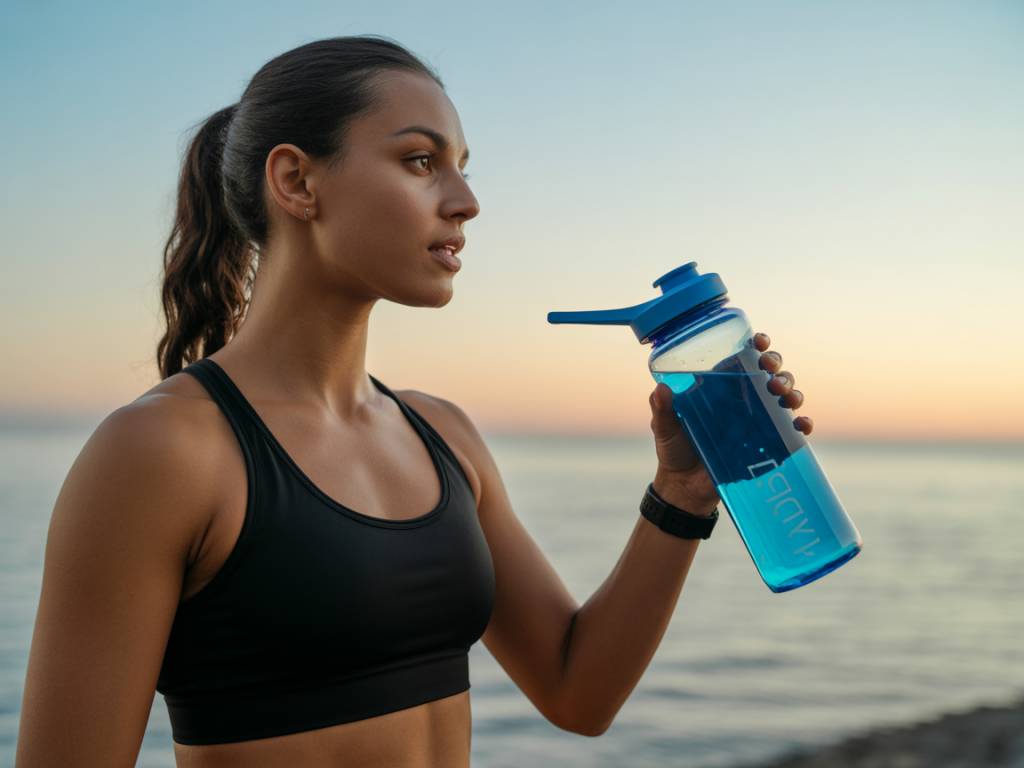
Wearable Biosensors, Smart Water Bottles and Personalized Hydration
Personalized hydration technology is moving from niche gadgets to mainstream preventive health tools. Wearable biosensors, smart water bottles and connected health apps are beginning to work together to track fluid intake, interpret physiological signals and guide daily habits. For consumers who care about wellness, sports performance or chronic disease management, these products promise something simple yet powerful: drinking the right amount of water at the right time, based on real data rather than guesswork.
This shift toward data-driven hydration fits into a broader evolution of digital health. Instead of relying solely on annual checkups and occasional lab results, people are increasingly using continuous monitoring to detect early signs of stress, dehydration or imbalance. Hydration sits at the center of this trend because it is both easy to influence and tightly linked to cardiovascular, renal, cognitive and metabolic health.
What Are Wearable Biosensors for Hydration?
Wearable biosensors are small devices embedded in watches, patches, textiles or fitness bands that measure biological parameters in real time. For hydration, they focus on indicators like sweat rate, skin temperature, heart rate variability, electrolyte levels and even changes in body weight.
Modern wearable biosensors rely on several sensing technologies:
- Optical sensors (such as PPG) to track heart rate and blood flow.
- Electrochemical sensors to detect ions like sodium, chloride or potassium in sweat.
- Impedance sensors to estimate body water distribution through electrical resistance.
- Temperature and motion sensors to interpret environmental and activity-related stress on hydration.
By combining these data streams, algorithms can estimate how much fluid an individual is losing, how effectively they are rehydrating and whether they may be trending toward dehydration. This is particularly useful during exercise, in hot environments, at high altitudes or for people with medical conditions that influence fluid balance.
Smart Water Bottles: From Simple Reminders to Intelligent Hydration Systems
Smart water bottles started as basic reminder tools. They lit up or vibrated if the user had not taken a sip for a while. Today, the latest smart bottles have evolved into connected devices that integrate flow sensors, temperature monitoring and Bluetooth connectivity to mobile apps and wearable ecosystems.
Typical features of advanced smart water bottles include:
- Real-time intake tracking via flow meters that record every sip.
- Hydration goals adapted to body weight, age, sex, and activity level.
- App dashboards that visualize daily, weekly and monthly hydration trends.
- Smart reminders that adapt to individual patterns instead of using fixed intervals.
- Integration with wearables to adjust fluid targets based on actual workouts, steps, or heart rate.
Some premium bottles also monitor water temperature for comfort and taste, or include UV-C disinfection to maintain microbiological safety. In each case, the product is not just a container; it becomes a data source and an interactive coach for better hydration habits.
How Personalized Hydration Tech Supports Preventive Health
Preventive health is about catching subtle changes before they escalate into more serious problems. Personalized hydration tools contribute by providing early indicators of stress and imbalance. They help individuals notice patterns that would otherwise go unnoticed.
Well-designed hydration biosensors and smart bottles can support:
- Cognitive performance: even mild dehydration can impair concentration, memory and reaction time. Early alerts reduce that risk during long workdays or study sessions.
- Cardiovascular stability: adequate fluid intake supports blood volume and blood pressure, which is critical for older adults and people taking certain medications.
- Kidney function: consistent hydration dilutes urine, supporting kidney health and reducing the burden on filtration systems over time.
- Sports performance and recovery: athletes can use real-time hydration feedback to reduce cramps, overheating and post-exercise fatigue.
- Heat stress prevention: workers in hot environments can monitor sweat loss and fluid replacement to lower the risk of heat exhaustion.
By turning daily water intake into a measurable, adjustable behavior, wearable biosensors and smart bottles extend the reach of preventive healthcare beyond clinics and into everyday life.
From Generic Guidelines to Personalized Hydration Algorithms
Traditional hydration advice tends to be broad: “Drink eight glasses a day.” However, fluid needs can vary dramatically between individuals and from one day to another. Climate, activity, altitude, diet, medication and health status all play a role.
Personalized hydration systems use algorithms that combine:
- Baseline factors such as body weight, age, sex and general health.
- Contextual data including ambient temperature, humidity and altitude.
- Activity metrics from wearable trackers: steps, heart rate, intensity and duration of exercise.
- Physiological signals from biosensors: sweat rate, electrolyte concentration, skin temperature and more.
- Behavioral history such as previous intake patterns and typical responses to training loads.
On top of this, machine learning models can refine recommendations over time. They learn how a specific person’s body responds, which patterns signal emerging dehydration and what kind of reminders produce real behavior change. This makes hydration plans more dynamic and more accurate than static, one-size-fits-all guidelines.
Integrating Wearable Biosensors, Smart Bottles and Health Apps
The most influential systems do not function as isolated devices. They connect biosensors, smart water bottles and digital health platforms into a single ecosystem. For users, that integration is where personalized preventive health becomes tangible.
A typical connected hydration workflow might look like this:
- A smartwatch monitors heart rate, skin temperature and activity intensity during a workout.
- A sweat-sensing patch or integrated biosensor estimates sweat rate and electrolyte loss.
- A smart water bottle records in real time how much water and, in some cases, electrolyte drink has been consumed.
- A mobile app aggregates these data, compares them with personalized targets and provides clear guidance: drink more now, slow down, or adjust electrolyte intake.
- The app syncs with broader health platforms or electronic health record portals, if allowed, to support telehealth consultations and preventive care programs.
In professional sports, occupational health and corporate wellness programs, such integrated platforms are already being piloted. For consumers, the same technologies are appearing in more accessible formats, often as subscription-based services tied to hardware purchases.
Key Use Cases: Athletes, Workers, Seniors and Wellness Enthusiasts
While anyone can benefit from personalized hydration technology, several groups are leading adoption.
Endurance athletes and gym users use hydration biosensors and smart bottles to fine-tune performance. For them, precise fluid and electrolyte management can translate into better times, fewer injuries and improved recovery after intense training.
Industrial and outdoor workers in sectors like construction, mining or agriculture are exposed to heat and physical exertion. Connected hydration systems help safety managers monitor risk levels, design rest and rehydration schedules and document compliance with occupational health standards.
Older adults and people with chronic conditions often need to balance fluid intake with cardiac or renal constraints. Smart water bottles with gentle, adaptive reminders can assist with adherence to medical advice while reducing the risk of both dehydration and fluid overload.
Wellness-focused consumers are drawn to hydration wearables as part of a broader stack of smart scales, sleep trackers and fitness apps. For them, personalized hydration is one more layer in a data-rich lifestyle aimed at long-term wellness and disease prevention.
Data Privacy, Accuracy and Ethical Considerations
As with any digital health technology, wearable biosensors and smart water bottles raise questions about data quality and privacy. Hydration recommendations are only as good as the sensors and algorithms behind them, and personal fluid data can still be sensitive health information.
Several considerations are emerging as central:
- Validation and accuracy: companies are increasingly expected to publish validation studies, particularly where products make health-related claims.
- Transparency of algorithms: users and clinicians need to understand, at least in broad terms, how recommendations are generated.
- Privacy and security: hydration apps and connected devices must protect user data, comply with regulations and offer clear consent options.
- Avoiding over-reliance: technology should augment, not replace, basic body awareness, clinical judgment and common sense.
For buyers, researching brands that take data protection and clinical validation seriously is becoming as important as comparing battery life or design.
Choosing a Smart Water Bottle or Hydration Wearable
For readers considering a purchase, selecting the right device depends on lifestyle, goals and budget. A few practical criteria can guide the decision.
- Integration with existing devices: check compatibility with your smartwatch, fitness tracker or preferred health apps.
- Type of sensing: some wearables estimate hydration indirectly through heart rate and motion; others use direct sweat or impedance measurements.
- Battery life and durability: for outdoor workers or endurance athletes, long battery life and rugged construction are crucial.
- Ease of cleaning and maintenance: smart water bottles should be straightforward to wash and, ideally, dishwasher safe or self-disinfecting.
- Quality of the companion app: clear visualizations, customizable reminders and actionable insights matter more than flashy graphics.
- Evidence and reviews: look for devices with independent reviews, published data or partnerships with sports science and medical institutions.
In many cases, starting with a simpler smart bottle or basic hydration feature on an existing wearable is enough to test whether the habit suits you. From there, power users can move toward more advanced biosensor systems and connected platforms.
The Future of Personalized Hydration and Preventive Health
Wearable biosensors and smart water bottles are still evolving, but their trajectory is clear. As sensors become smaller, more accurate and more energy efficient, and as algorithms become more context-aware, hydration guidance will likely blend seamlessly into the fabric of daily life.
Future systems may combine personalized hydration with nutrition, sleep and stress management, offering integrated recommendations rather than isolated tips. They may also connect more tightly with healthcare providers, turning routine water intake data into meaningful signals for long-term cardiovascular, renal or metabolic health monitoring.
For individuals, the promise is simple: smarter hydration, fewer preventable problems and a clearer picture of how everyday water intake shapes overall well-being. For the preventive health sector, wearable biosensors and intelligent bottles are becoming key components in a more proactive, continuous and data-driven approach to care.