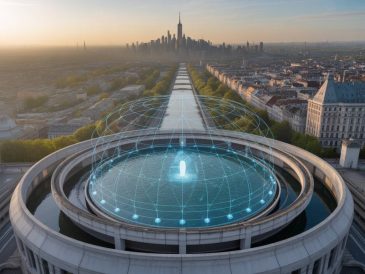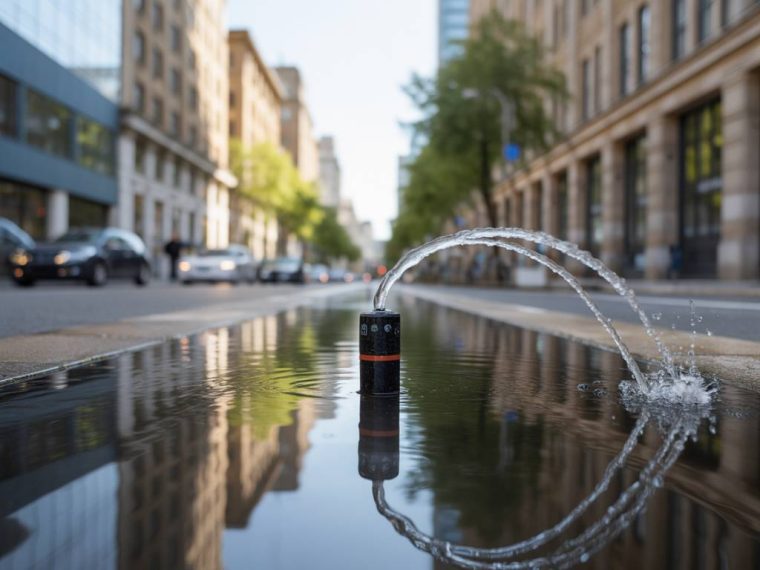
Urban water systems are under pressure. Aging pipes, climate stress, and rapid urbanization are combining to push networks beyond their design limits. In many cities, 20–40% of treated drinking water never reaches a paying customer. It disappears as leaks, bursts, and unauthorized consumption. This “non-revenue water” is costly, wasteful, and increasingly unacceptable in a world of growing water scarcity.
AI-powered leak detection is emerging as a transformative tool for utilities trying to regain control of their distribution networks. By combining smart infrastructure, connected sensors, and advanced analytics, utilities can detect leaks earlier, prioritize repairs, and reduce urban water loss at scale. What was once a reactive, manual process is becoming proactive and data-driven.
Why Urban Water Loss Demands AI-Powered Leak Detection
Urban water loss is not a new problem. Corroded pipes, shifting soils, and high-pressure operations have always created leaks. What has changed is the context. Water utilities now face stricter regulations, tighter budgets, and rising customer expectations. At the same time, climate change is making supplies less predictable. Every liter saved matters.
Traditional leak detection methods rely heavily on field crews, listening sticks, and scheduled surveys. These approaches are labor-intensive and episodic. They often find only the largest or most obvious issues. Hidden leaks can persist for months or years, silently eroding the integrity of the network and inflating operating costs.
AI-powered leak detection addresses this gap. Instead of sampling the network a few times per year, smart infrastructure allows utilities to monitor it continuously. AI algorithms then sift through the data, spotting patterns that indicate leaks long before they would be audible at street level or visible on the surface.
How Smart Water Infrastructure Enables AI Leak Detection
At the core of AI-driven leak detection is smart water infrastructure. In practice, this means equipping the network with connected devices and integrating them into a unified digital platform. The following components are commonly used in modern AI leak detection systems:
- Acoustic sensors installed on pipes or valves to detect the high-frequency noise generated by leaks.
- Pressure sensors distributed along the network to capture pressure transients and anomalies.
- Smart water meters at customer connections providing high-resolution consumption data.
- Flow meters in district metered areas (DMAs) or pressure zones to track inflows and outflows.
- IoT communication networks (cellular, LPWAN, NB-IoT) for transmitting data from the field to central platforms.
These devices turn the physical network into a data-rich environment. Instead of working with monthly billing volumes and occasional field readings, utilities can analyze pressure and flow at intervals of minutes or even seconds. The volume and velocity of this data is exactly where AI techniques become valuable.
Machine Learning and Advanced Analytics for Leak Detection
AI-powered leak detection typically relies on a combination of machine learning, statistical modeling, and signal processing. Each data source offers different clues. Pressure drops, unusual night flows, and acoustic signatures can all signal a leak, but they can also be caused by normal operations. The challenge is to separate genuine issues from noise.
Machine learning models are trained on historical data sets that include known leak events, normal operating conditions, and maintenance activities. Over time, these models learn the complex relationships between sensor signals and real-world events. Once deployed, they can analyze incoming data in near real time. When the system detects an anomaly that resembles a leak pattern, it raises an alert and often assigns a confidence score.
Advanced acoustic leak detection goes a step further. AI algorithms can process continuous audio streams from acoustic loggers or in-pipe sensors. They filter out background noise from traffic, pumps, and consumer usage. What remains is the characteristic sound profile of pressurized water escaping through a defect. In many cases, AI systems can triangulate the position of the leak using multiple sensors, allowing field teams to excavate with far greater precision.
From Reactive Repairs to Predictive Maintenance
One of the major advantages of AI in water leakage management is the shift from reactive repairs to predictive maintenance. Historically, utilities responded to visible leaks, customer complaints, or catastrophic bursts. With AI-powered analytics, they can instead identify pipes that are likely to fail before they cause major damage.
By combining leak detection data with asset information—such as pipe age, material, soil conditions, and historical break records—utilities can build predictive models of asset health. These models help prioritize replacement programs and inform capital planning. They also support more targeted pressure management strategies, which can reduce stress on vulnerable sections of the network and prevent future leaks.
This approach is especially valuable in large, complex systems where full replacement is impossible in the short term. AI enables data-driven decisions, directing limited budgets to the sections of the network that deliver the greatest reduction in urban water loss per dollar invested.
Key Benefits of AI-Powered Leak Detection for Utilities and Cities
When smart infrastructure and AI leak detection are implemented effectively, utilities and cities can realize multiple benefits:
- Reduced non-revenue water: Early leak detection prevents long-term losses and improves the efficiency of every liter treated and pumped.
- Lower operating costs: Fewer emergency repairs, better workforce planning, and reduced energy consumption thanks to lower production volumes.
- Improved service reliability: Timely repairs minimize pressure fluctuations, outages, and the risk of water quality incidents caused by intrusion through pipe defects.
- Extended asset life: Data-informed pressure management and proactive maintenance reduce the mechanical stresses that accelerate pipe deterioration.
- Environmental benefits: Saving water reduces the energy and chemical footprint associated with treatment and distribution.
- Better customer experience: Faster response to hidden leaks, clearer communication, and improved billing accuracy enhance customer trust.
For many utilities, the business case is strong. Investments in AI-based leak detection and smart water infrastructure are often repaid through reduced losses, optimized operations, and deferred capital expenditure.
Implementation Challenges and How Utilities Are Addressing Them
Despite the potential, deploying AI-powered leak detection is not simply a matter of installing sensors and buying software. Utilities must navigate technical, organizational, and financial challenges. Data quality is a frequent issue. Incomplete asset records, inconsistent sensor calibration, and communication gaps can limit the performance of AI models.
To mitigate this, leading utilities start with well-defined pilot zones, often in district metered areas where flows and pressures are relatively easy to measure. They invest in robust data management practices, including standardized naming conventions, metadata documentation, and regular validation of sensor outputs. Over time, they expand coverage, integrating more zones and more data sources into a unified monitoring platform.
Another challenge is change management. Operational teams must adapt to new workflows based on digital alerts rather than routine inspection schedules. Training, clear procedures, and close collaboration between IT, engineering, and field crews are essential. Utilities that involve staff early in the design and selection of AI leak detection solutions tend to see higher adoption and better outcomes.
Choosing AI Leak Detection Technologies and Solutions
The market for AI-powered leak detection solutions is growing rapidly. Water utilities and infrastructure managers face a wide range of options, from acoustic sensors with embedded AI to cloud-based analytics platforms that integrate multiple data feeds. When evaluating solutions, several criteria stand out:
- Scalability: The ability to expand from a trial zone to full-network coverage without major reconfiguration.
- Interoperability: Compatibility with existing SCADA systems, GIS platforms, AMI networks, and communication protocols.
- Accuracy and false-positive rates: Proven performance metrics under real-world conditions, not just laboratory tests.
- Cybersecurity and data protection: Robust safeguards for sensitive operational data.
- User experience: Clear dashboards, actionable alerts, and interfaces designed for both engineers and field staff.
- Support and service: Training, maintenance, and long-term vendor support for both hardware and software.
Some utilities choose integrated end-to-end solutions that bundle sensors, communications, and AI analytics from a single provider. Others prefer an open, modular approach, combining best-of-breed devices with a central analytics platform. In both cases, clarity on objectives—whether focused on leak detection, pressure management, or holistic smart water management—is crucial.
Future Trends in Smart Water Infrastructure and AI Leakage Management
AI-powered leak detection is still evolving. As sensor costs decline and communication networks become more ubiquitous, coverage will increase. More sophisticated algorithms will be able to detect smaller leaks, distinguish between types of failures, and estimate leak volumes with higher accuracy.
Integration with digital twins of water networks is another emerging trend. By combining real-time sensor data with hydraulic models and asset information, utilities can simulate the impact of interventions, test operating scenarios, and refine leak detection algorithms. AI will not only identify leaks but also recommend optimal responses, from valve operations to repair team routing.
At the same time, customer-side leak detection is gaining attention. Smart home water monitors, AI-driven analytics on consumption patterns, and automated shutoff valves are entering the consumer market. These technologies complement utility-focused leak detection by addressing losses on private property, which can also be substantial in dense urban environments.
Together, these developments point toward a more intelligent, responsive, and resilient urban water infrastructure. AI-powered leak detection is a central piece of that vision. It transforms invisible problems into visible data, and in doing so, gives utilities and cities the tools they need to protect a resource that is increasingly scarce and increasingly valuable.